Introduction
If you’re new to Overwatch or you’re getting into the game again, it’s important to understand how the gamemodes work if you want to know what you’re supposed to be doing. Fortunately, Overwatch doesn’t have a huge pool of gamemodes unlike other hero shooters. But, despite the small number, Overwatch’s game modes have a lot of depth. So, here is a quick guide on all of Overwatch’s gamemodes to help you get started.
Tip: you can right-click any type of gamemode to get more info in the game itself. The info is quite to-the-point, however, so in this article we’ll go a bit deeper.
Overwatch Core Game Modes
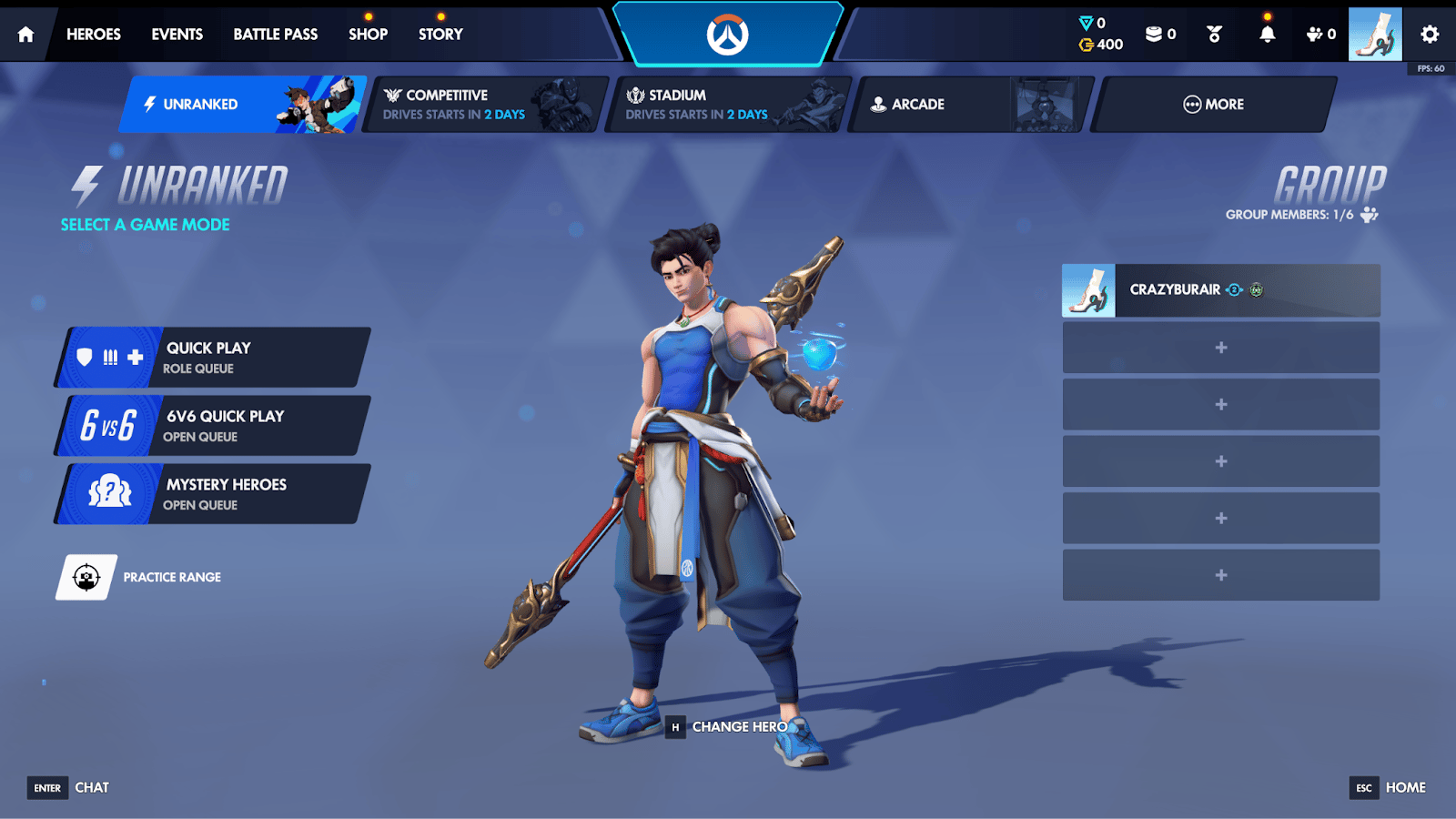
First up are Overwatch’s main modes, the bread and butter of the game. These are the modes you will play when you queue for unranked or competitive matches.
Control
Control is one of the simplest modes in Overwatch. Two teams fight over a single objective point, and the first team to reach 100% capture progress wins the round. Matches are played in a best-of-three format, meaning you’ll need to win two rounds to take the game. Control maps are symmetrical in layout to ensure fairness.
A common name in other games for this gamemode is King Of The Hill.
Escort
Escort is all about moving a payload across the map. One team pushes the payload, while the other defends. The attacking team wins by escorting it to the final checkpoint before time runs out.
The defenders are released early from their spawn, and they can set up their defenses near the attackers’ spawn. When attackers get released, they have to fight to push the payload. Escort maps generally have three checkpoints (the final being right near the defender spawn). When you reach a checkpoint, more time is added to the clock.
What makes Escort interesting is the pacing. The payload only moves when attackers are nearby, so positioning and map control are everything. Defenders, meanwhile, aim to stall progress and burn the clock. The payload can also move back if attackers haven’t been near it for a certain amount of time.
Important: when a round or match goes to overtime, the overtime wick will keep burning as long as attackers are near the payload.
Hybrid
Hybrid combines Control and Escort into one mode. First, attackers must capture a point. Once that’s done, the payload spawns and must be escorted to the end. This creates a two-phase match where teams need to adapt quickly.
Push
Push is similar to escort, but both teams can push the objective. Instead of a payload, both teams fight over a robot that pushes a barricade toward the enemy base. The team that pushes it the farthest wins. It’s a constant tug-of-war, and momentum swings can be huge. Losing a team fight hurts more in Push than in any other objective.
Flashpoint
Flashpoint is a fast-paced mode where teams fight over multiple capture points that unlock one at a time across a large map. The first team to secure three points wins. Point captures happen quickly, so it can be a good idea to regroup and push for the next point if you’ve clearly lost the fight for the currently active point.
This mode is by far the most frantic and disorienting mode in the game, so some players try to avoid it.
Competitive
Both Competitive and Unranked share these same core modes. However, in Competitive mode, there are slight changes to the format to ensure fairness. The most obvious changes are that, in Attack/Defend type modes, both teams get the chance to play both roles.
For instance, in Escort, both teams take turns attacking and defending, and you win based on how far you get the payload. There are also hero bans in competitive, which you don’t see in unranked.
In short: the core gameplay is exactly the same in Competitive and Unranked, but be prepared for longer matches when queuing for Competitive.
Arcade And Rotating Modes
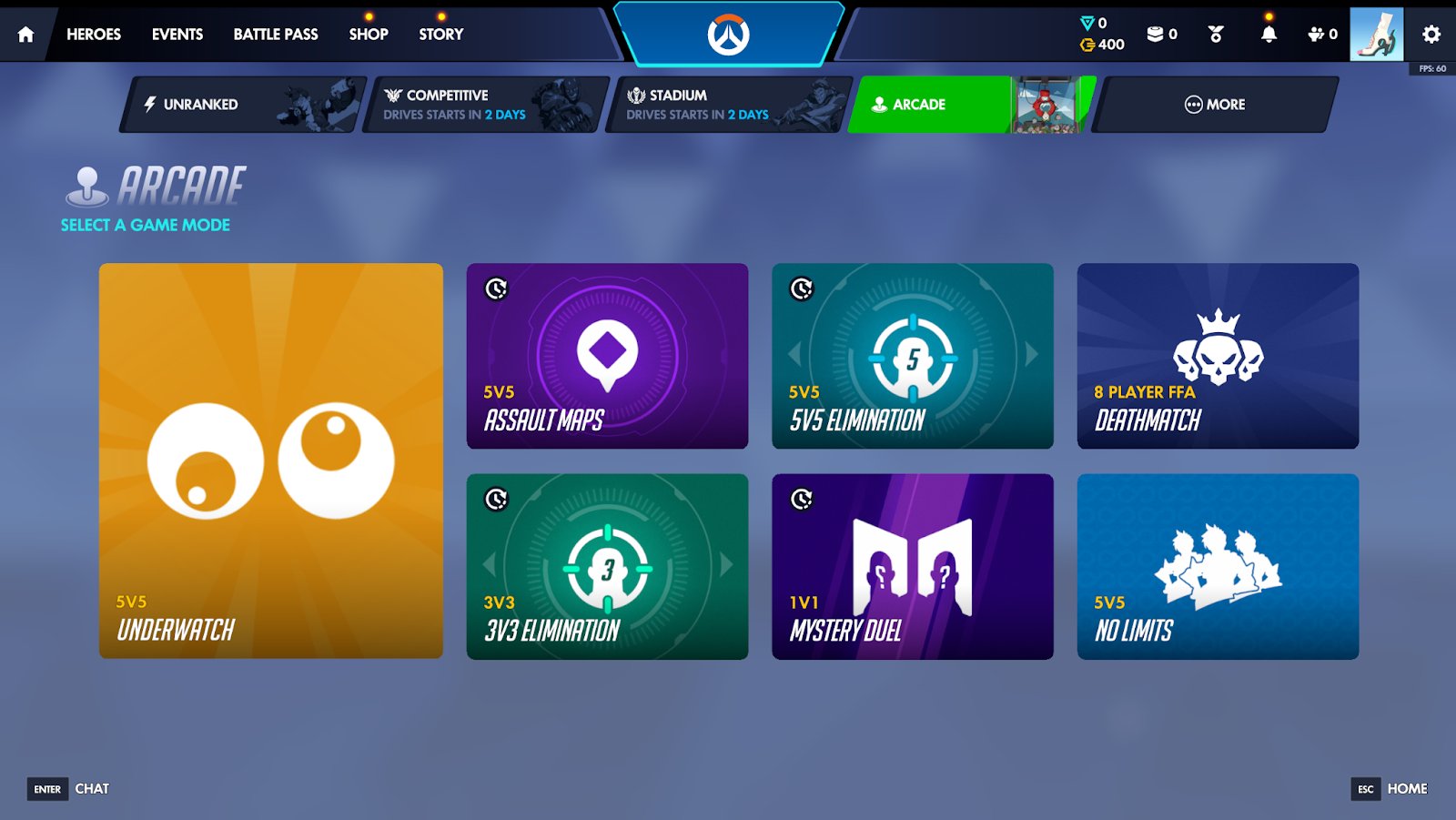
Apart from the core modes, Overwatch also has a lot of fun and casual arcade modes. These modes are designed for quick sessions or warm-up before a ranked session. These arcade modes rotate in and out. Blizzard also adds new arcade modes from time to time as well.
In the arcade section, you will find classic modes like Free-for-all Deathmatch as well as unique modes like Mystery Heroes and Underwatch. You can right-click on the gamemode to get an explanation of what the mode does.
Overwatch Stadium
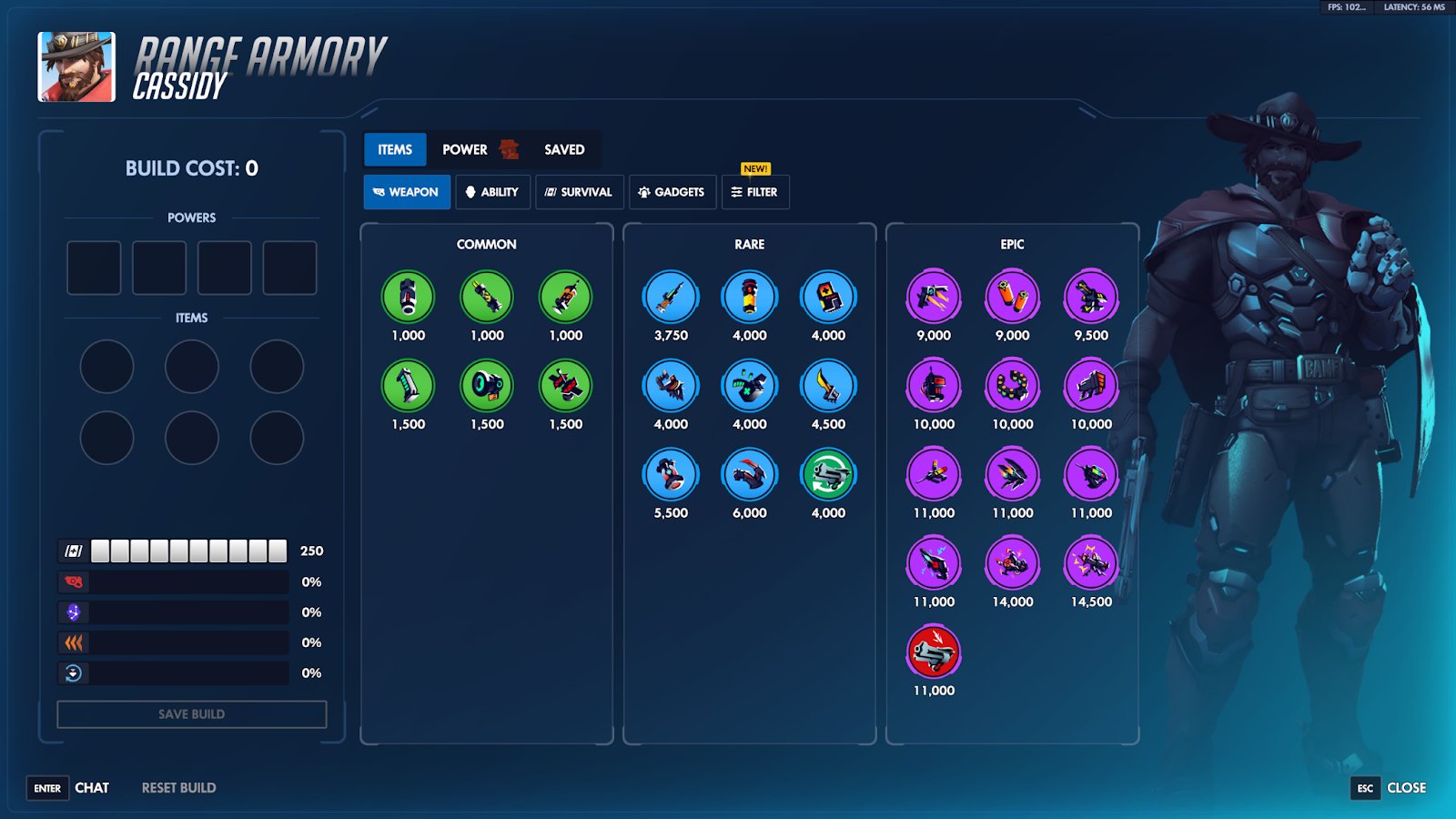
Overwatch Stadium is a bit different from other modes in the game. You still play modes like Control and Escort. However, the Overwatch Stadium incorporates ‘items’ as seen in MOBAs. These items help boost your character. It can be simple things like boosts to speed, health, damage, etc. but it can also have other effects. You get points by playing well during a round, and you can use those points to buy items that make your character stronger.
In between rounds, you can also unlock powers that can boost or straight up change how your abilities work. Essentially, it’s the same as normal modes, but this time you can upgrade your characters heavily during a match. You can also make custom builds and much more.
Overwatch Stadium also has its own competitive mode too.
Conclusion
Overwatch’s modes have a lot of depth in them, and you have to change your playstyle depending on the mode. So, it’s important to understand how these modes work, especially for a new player. Escort, Control, and Hybrid are the easiest to get, whereas Push and Flashpoint can be confusing because they are usually on very large maps. Hopefully, with this guide, you now have a better understanding of all the game modes in Overwatch. You can now play the game without worrying about what the objective is.

