Introduction
One of the most appealing parts of Overwatch is how distinct its heroes are. Every hero has a unique playstyle yet fits perfectly into the entire Overwatch meta. Overwatch roles are majorly divided into the three classics: DPS, Support, and Tank. But with Overwatch, there is a bit more depth to this system. And, it’s this depth that really affects how team compositions work in the game.
In this article, we’ll give you a bit more info on how the roles work in this game.
Hero Roles And Subroles
Major Roles (Tank, DPS, Support)
At the top, the heroes are divided into three traditional roles: Tank, Damage, and Support. This is nothing new and is self-explanatory. Healers keep the team alive, DPS dish out damage, and tanks protect the team and push objectives.
But not every DPS, healer, or tank is designed the same way. There are certain jobs that one DPS will do better than the other. For instance, when it comes to diving (or, in simple terms, flanking), Genji and Tracer are really great, but they struggle fighting on the frontlines. Similarly, Reinhardt is a tank that’s designed to be front and center of the team, but D.Va is more mobile and rewards pushing deep into enemy lines.
Over the course of Overwatch 1 and Overwatch 2, these differences already existed, but players had to know which ‘archetype’ heroes fit into. With the (re)launch of Overwatch, Blizzard added subroles to make the distinctions clearer.
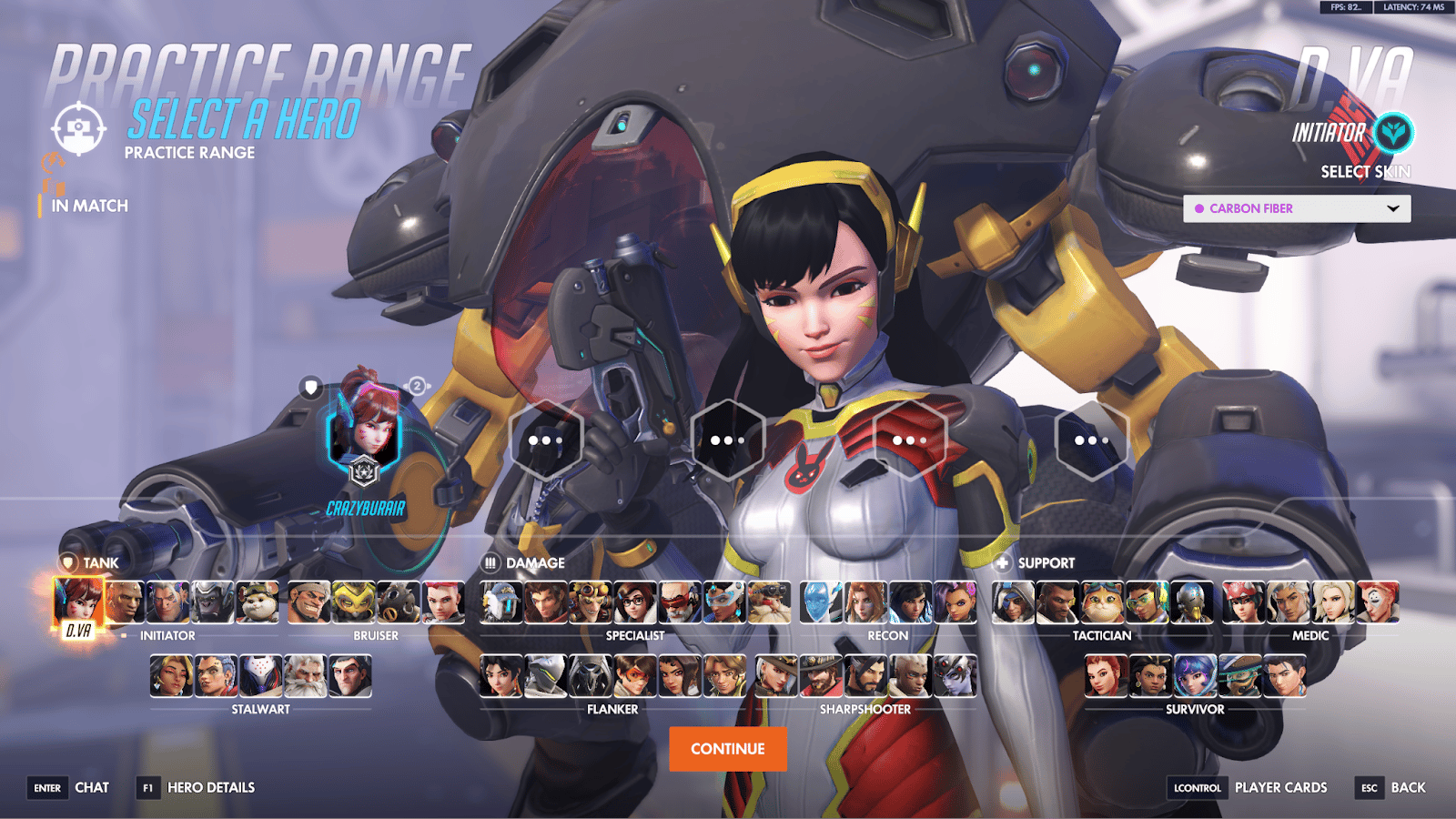
Subroles
To give characters a bit more identity in the meta, Overwatch introduced subroles. These are roles within roles that help divide the Overwatch hero roster better. For instance, Genji and Tracer are DPS, but they are Flankers by subrole.
The subroles also give the heroes a passive buff, which is something that’s new compared to earlier iterations of Overwatch. Taking the same example, Flankers get more health from healthpacks around the map. This is really helpful because when you are playing a dive character, you often can’t rely on your healer to help you. So, this passive buff plays into the playstyle of the hero. With that explained, here are all the roles and their subroles in Overwatch.
| Role | Subroles + Buffs |
|---|
| Tank | Initiator – Gain Heal over time by staying airborne
Bruiser – Gain Resistance to critical hits and move faster when at low health
Stalwart – Resistance to knockback and slow |
| Damage | Specialist – Eliminating an enemy briefly increases reload speed
Recon – Damaging enemies below half health reveals them
Flanker – Healthpacks heal for more
Sharpshooter – Critical hits reduce movement ability cooldowns |
| Support | Tactician – Store excess ultimate charge
Medic – Healing teammates with your weapon heals you too
Survivor – Using movement abilities will start passive health regen |
You can check which subrole your favorite hero has just by pulling up their Hero Details (F1 on your keyboard). Subroles are just a way of further dividing the heroes. For instance, Genji and Widowmaker have the same main role, but they accomplish completely different things during a match, so they have different subroles.
How Subroles Play Into The Competitive Aspect Of Overwatch
At the highest level (pro play), subroles are mostly just looked at as buffs, since team comps at the pro level are quite different from what you see in ranked. But, in ranked, these subroles really help you make better team comps.
Team comps deserve a more in-depth guide, but in short, there are three major types of team comps in Overwatch: Brawl, Poke, and Dive. These are based on how teams want to play in a match.
Brawl means fighting the enemy up close on the objective; the term comes from “brawling it out”. In Brawl, you will see teams centered around tanks like Reinhardt and Sigma.
Poke means fighting the enemy at a distance, or “poking the enemy”. You will always see a sniper like Black Widow or Hanzo in poke comps.
Last is Dive, which, as the name suggests, is built around the playstyle of “diving” in the enemy backlines and targeting the supports.
The above is a very general explanation, but it can help for newcomers who are struggling to form comps.
With subroles, it’s much easier to build these comps, especially for a beginner. For instance, if you queue into a match and see two players pick Winston and D.Va for tanks, you can pick up a Flanker DPS or Medic Support to play into it. Because Winston and D.Va are top picks for a dive comp.
These subroles also help new players pick their mains. Because of these subroles, new players have a bit more of a clue about the type of hero they are trying in a match. Plus, it also allows new heroes in the game to easily fit into comps.
Conclusion
Subroles add another layer of depth to the hero roster in Overwatch. It makes heroes feel distinct despite sharing the same main role. On paper, it’s a small feature, but it has a lot of impact on how heroes work now. This, with the added perks system, has had a lot of effect on the Overwatch meta.

